Exploring the World of Ceremonial Magic Explained
- Gabriel Jackson
- May 12
- 5 min read

Ceremonial magic, a discipline steeped in tradition and complexity, has long fascinated those who seek to understand the deeper workings of the universe through ritual and symbolism. As one delves into this intricate practice, it becomes evident that ceremonial magic is not merely about the performance of rituals but rather an elaborate system of spiritual and metaphysical engagement. This exploration aims to provide a comprehensive understanding of ceremonial magic, its historical roots, practical applications, and the philosophical underpinnings that guide its practitioners.
Ceremonial Magic Explained: Origins and Foundations
Ceremonial magic, often regarded as the highest form of ritual magic, draws heavily from ancient religious rites, Hermeticism, Kabbalah, and alchemical traditions. Its origins can be traced back to the Renaissance period, where scholars sought to revive and synthesize esoteric knowledge from antiquity. The practice involves the invocation of spiritual entities, the use of sacred symbols, and the meticulous performance of rituals designed to align the practitioner with cosmic forces.
The foundational texts of ceremonial magic, such as the Key of Solomon and the writings of Eliphas Levi, provide detailed instructions on the preparation, tools, and procedures necessary for effective ritual work. These texts emphasize the importance of purity, both physical and spiritual, as well as the practitioner's intent and concentration. The ceremonial magician often employs a variety of implements, including wands, swords, pentacles, and robes, each imbued with symbolic significance.

The practice is characterized by its structured approach, where every gesture, word, and symbol serves a precise purpose. This meticulousness distinguishes ceremonial magic from more spontaneous or folk-based magical practices. It is a discipline that demands patience, study, and a profound respect for the forces it seeks to engage.
The Practical Aspects of Ceremonial Magic Explained
Understanding ceremonial magic requires more than theoretical knowledge; it necessitates practical engagement with its rituals and methodologies. The process typically begins with the creation of a sacred space, often a consecrated circle, which serves to protect the practitioner and contain the energies invoked. This space is established through specific prayers, invocations, and the use of protective symbols.
One of the core practices involves the invocation or evocation of spiritual entities, such as angels, archangels, or elemental spirits. These entities are called upon to assist the magician in achieving particular goals, whether they be spiritual enlightenment, healing, or the acquisition of knowledge. The invocation is performed with great care, using precise language and gestures to establish a respectful and controlled interaction.
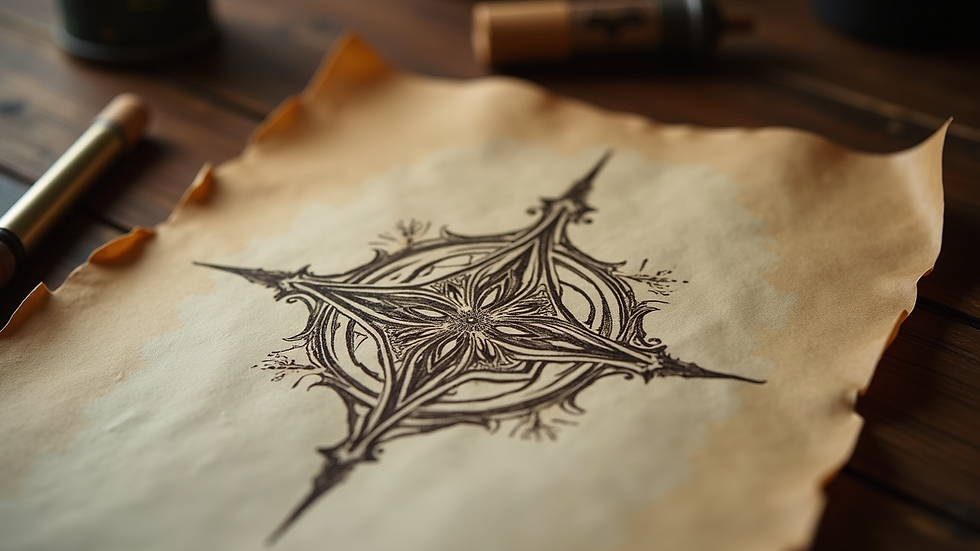
In addition to invocations, ceremonial magic often incorporates meditation, visualization, and the use of sigils—symbols charged with magical intent. These techniques serve to focus the mind and direct the practitioner's will, which is considered the primary force in magical work. The magician's ability to maintain clarity of purpose and emotional equilibrium is paramount to the success of any ritual.
For those seeking to integrate ceremonial magic into their practice, it is advisable to begin with simpler rituals and gradually progress to more complex ceremonies. Consistent study of classical texts, coupled with disciplined practice, fosters a deeper understanding and enhances the efficacy of the work. Moreover, maintaining a journal to record experiences, insights, and outcomes can be invaluable for tracking progress and refining techniques.
What are the Three Main Types of Magic?
In the broader context of magical traditions, it is essential to distinguish between the three primary types of magic: ceremonial (or ritual) magic, folk magic, and sympathetic magic. Each type operates on different principles and serves distinct purposes, though they may overlap in practice.
Ceremonial Magic: As previously discussed, this form is highly structured and symbolic, relying on elaborate rituals and spiritual entities. It is often associated with learned practitioners who engage with complex esoteric systems.
Folk Magic: This type is more informal and rooted in cultural traditions. It typically involves charms, herbal remedies, and simple rituals aimed at everyday concerns such as protection, health, and prosperity. Folk magic is accessible and passed down through generations.
Sympathetic Magic: Based on the principle of "like affects like," sympathetic magic uses objects or actions that resemble the desired outcome to influence reality. Examples include voodoo dolls or the use of personal items in spells.
Understanding these distinctions allows practitioners to appreciate the unique qualities of ceremonial magic and its place within the wider magical landscape. While ceremonial magic demands rigorous discipline and study, it offers profound opportunities for spiritual transformation and mastery over unseen forces.
The Philosophical and Spiritual Dimensions of Ceremonial Magic
Beyond its practical applications, ceremonial magic embodies a rich philosophical framework that addresses the nature of reality, the self, and the divine. Central to this worldview is the concept of correspondence—the idea that the microcosm (the individual) reflects the macrocosm (the universe). Rituals are designed to harmonize these levels, facilitating a flow of energy and knowledge between them.
The practitioner is encouraged to cultivate virtues such as humility, patience, and discernment, recognizing that magical power is not an end in itself but a means to spiritual growth. This ethical dimension is often underscored by the invocation of angelic beings and adherence to moral codes found within Hermetic and Kabbalistic teachings.
Moreover, ceremonial magic frequently incorporates meditation on sacred geometry, planetary influences, and the Tree of Life, each serving as a map for inner exploration and cosmic alignment. These elements provide a symbolic language through which the magician interprets and interacts with the spiritual realms.
For those committed to this path, ceremonial magic offers a profound journey of self-discovery and empowerment. It challenges practitioners to transcend mundane limitations and engage with the mysteries of existence in a disciplined and reverent manner.
Integrating Ceremonial Magic into Contemporary Practice
In the modern era, ceremonial magic continues to evolve, adapting to new contexts while preserving its core principles. Practitioners today often blend traditional rituals with contemporary spiritual practices, such as mindfulness and energy work, to enhance their effectiveness.
To integrate ceremonial magic into a contemporary practice, one might consider the following recommendations:
Establish a dedicated ritual space: Whether a physical altar or a mental sanctuary, having a consistent environment supports focus and intention.
Study classical and modern texts: Engage with foundational works alongside contemporary interpretations to gain a well-rounded perspective.
Practice regularly and reflectively: Consistency is key, and maintaining a journal helps track progress and insights.
Respect personal limits and ethics: Recognize the responsibility inherent in working with spiritual forces and adhere to ethical guidelines.
Seek community and mentorship: Connecting with experienced practitioners can provide guidance and support.
By approaching ceremonial magic with seriousness and respect, practitioners can unlock its transformative potential and contribute to the ongoing preservation and development of this ancient art.
In exploring what is ceremonial magic, one gains not only knowledge but also a deeper appreciation for the intricate interplay between ritual, symbolism, and spiritual aspiration that defines this profound tradition.
The Enduring Legacy and Future of Ceremonial Magic
The study and practice of ceremonial magic remain a vital part of the esoteric landscape, offering a bridge between ancient wisdom and contemporary spiritual inquiry. Its enduring legacy is evident in the continued interest among scholars, occultists, and dedicated practitioners who seek to unravel its mysteries and apply its teachings.
As ceremonial magic adapts to the challenges and opportunities of the modern world, it invites a renewed commitment to disciplined study, ethical practice, and spiritual exploration. This ongoing engagement ensures that ceremonial magic will continue to serve as a powerful tool for those who aspire to deepen their understanding of the cosmos and their place within it.
In this light, ceremonial magic is not merely a relic of the past but a living tradition—one that invites each practitioner to embark on a journey of transformation, guided by the wisdom of ages and the light of inner revelation.

Comments